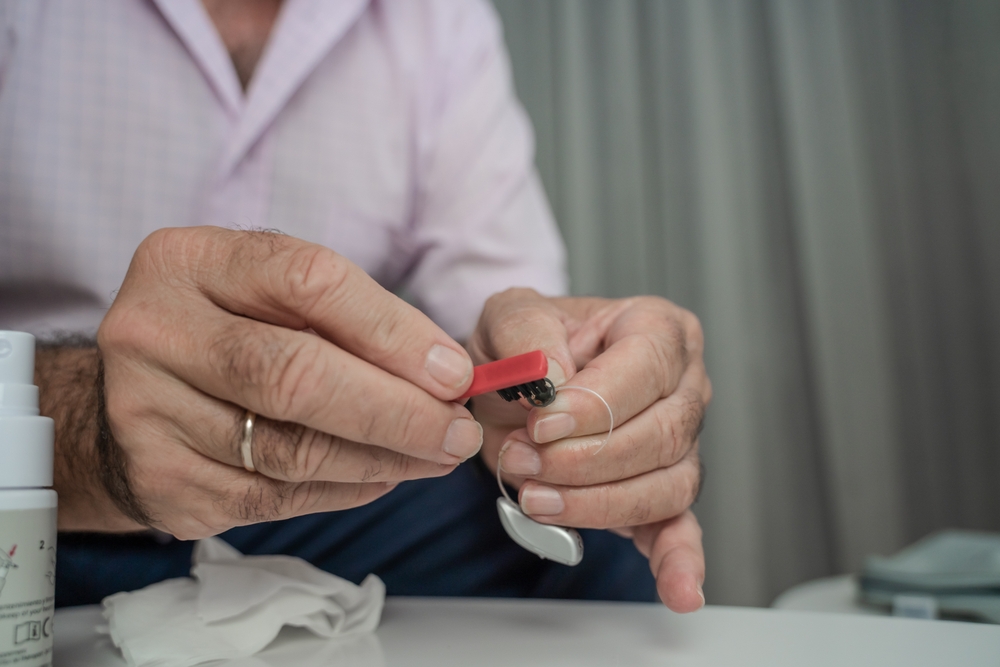
After you have become familiar with using your hearing aid, it becomes a critical element of your day-to-day schedule. The likelihood of a breakdown can be worrysome, as it presents not only a disturbance to daily life, but also a substantial financial burden in the form of repair or replacement expenses.
How to best care for your hearing aid
Comprehending what can damage your hearing aid and learning how to maintain it correctly will help you maintain its functionality and ensure it continues to enrich your quality of life.
Proper battery maintenance
Your hearing aid’s functionality is highly dependent on its battery. Therefore, selecting the correct batteries for your device is crucial. Consult with your audiologist to find out which battery type is most suitable for your specific hearing aid model.
It is just as significant to handle the batteries carefully. Oils, dirt, and moisture from your hands can contaminate the batteries, causing potential damage.
Prior to switching out the battery, make sure your hands are clean and thoroughly dry to prevent any moisture from entering the device.
Stick closely to the manufacturer’s directions, particularly regarding battery maintenance. Power off your hearing aid when it’s not being used to preserve battery life and keep it in a secure , dry place. Familiarizing yourself with the battery’s typical lifespan is also helpful.
Make a note on your calendar every time you change the battery, so you can predict when it will require changing again. It’s important to have a fresh battery with you at all times, specifically when you are not at home, in order to prevent being left without power all of a sudden.
Prevent moisture damage
As electronic technology, hearing aids are susceptible to moisture. Even brief contact can cause harm or complete failure of the device. To safeguard your hearing aid, consider investing in a dehumidifier designed specifically for hearing aids. This device can securely store your hearing aid when it’s not in use, keeping it dry and free from moisture-related problems.
To protect your hearing aid from water damage, it’s a smart plan to take it out before taking part in activities that make you perspire heavily. However, consult your hearing specialist first, as removing your hearing aid during exercise, particularly outdoors, might pose safety risks by reducing your ability to hear environmental sounds like traffic or alarms. If possible, choose to exercise indoors where it is safer to remove your hearing aid, and make sure to remove your device before showering or swimming.
Additionally, avoid utilizing hairspray, spray deodorants, and other aerosol products while wearing your hearing aid. These products contain moisture and chemicals that can build up on the device, resulting in long-term damage. Apply these products before putting on your hearing aid to reduce exposure.
Manage earwax buildup
Although earwax serves as a natural barrier, shielding your ears from debris, dirt, and small insects, it can also hamper the proper performance of your hearing aid. Earwax can accumulate in the device, causing it to fail. To manage this, have your ears checked out by your hearing specialist or doctor to evaluate the level of earwax buildup and create an appropriate cleaning routine for both your ears and your hearing aid.
Cleaning your ears safely is essential– never insert any objects into your ear canal. Alternatively, allow warm water to flow into your ears in the course of showers, which can help break up and flush away some of the wax. It is also suggested to have your ears cleaned regularly by a professional. While this may seem inconvenient, it’s far less problematic than managing a malfunctioning hearing aid dued to excessive earwax.
To properly clean your hearing aid, carefully adhere to the guidelines provided by the manufacturer.
Various kinds of hearing aids may need specific cleaning methods, and using an incorrect technique might damage your device. If you’re unsure about the proper cleaning method, consult your hearing specialist or hearing aid provider to ensure you’re taking the correct steps to protect your device from earwax damage.
Basic steps for continued reliability
Once you get used to using your hearing aids, they become a critical aspect of your day-to-day routine, making it hard to picture life without them. By implementing a few basic safety measures, you can protect your hearing aids from damage and preserve their reliability over the long term. Prioritize routine upkeep, store them properly, and handle them with care, ensuring you can continue to reap the benefits of enhanced communication and a more fulfilling lifestyle.
Schedule an appointment if you’re experiencing issues with your hearing aid or need to set up a regular maintenance appointment.
