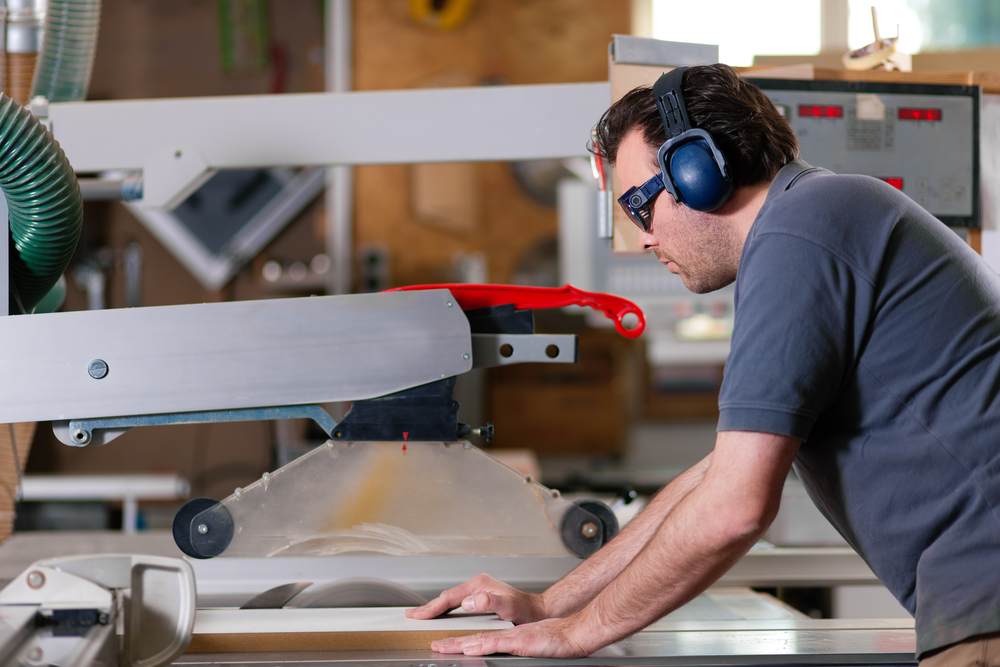
Your hearing health can be significantly affected by extended noise exposure, especially in environments where noise intensity is greater than safe limits. Ear protection is important for both the avoidance of hearing damage and for maintaining concentration in loud environments. What is the best way to find the degree of hearing protection that is suitable for you?
Gaining understanding into sound intensity and its effects
Noise damage depends not only on the loudness of the sound but also on how much time you are exposed to it. Decibels are the crucial unit for measuring sound levels and quantifying sound intensity. Sounds at 85 dB and up can result in hearing harm, primarily when exposure is prolonged.
For context, 85 dB is comparable to the noise level of city traffic experienced from inside a car. An eight-hour period of continuous exposure can lead to harm your hearing, even if the sound level doesn’t strike you as overly loud. The safe duration for exposure lessens proportionally as the noise level increases:
- Damage can happen with up to 4 hours of exposure at 90 dB (Lawnmower).
- 100 dB (Power tools): Limit exposure to 1 hour or less.
- Damage is possible after only 15 minutes at the 110 dB level (Leaf blower).
- Your hearing can be harmed by any exposure to a 120 dB sound (Rock concert).
- A sound level of 140 dB (Jet engine) can cause instant pain and damage.
How to detect hazardous noise environments
If you’re routinely exposed to noise levels of 85 dB or more, wearing hearing protection is necessary. This holds especially true in work settings, such as plants, building areas, or locations where equipment, devices, or gear generate significant levels of noise.
Hearing protection is also valuable outside of the job; activities like attending music concerts, operating leaf blowers, or participating in shooting sports can subject you to unsafe sound levels.
Choosing protection based on Noise Reduction Ratings (NRR)
We evaluate the efficacy of hearing protection through its Noise Reduction Rating (the NRR). The rating shows the level of sound reduction, given in dB, that the unit provides. A higher reduction in sound is provided by increased NRR ratings. For illustration, earplugs with an NRR of 30 dB can reduce an 85 dB noise level to 55 dB, maintaining you comfortably within safe exposure thresholds.
When choosing hearing protection, assess the exact noise levels you’re exposed to and ensure your choice offers enough blockage to stay below the 85 dB boundary.
Why comfort is essential for wearing hearing protection all the time
Comfort is a factor of equal significance to the NRR, as it directly affects whether you will use the protection consistently for the long term. If hearing protection feels ill-fitting or bulky, you may be tempted to remove it—leaving your ears exposed to hazardous noise.
When the protection is comfortable, it encourages continuous use and minimizes the danger associated with removing it periodically. To demonstrate, heavy or uncomfortable earmuffs may be removed by the wearer occasionally, exposing their ears to hazardous sound levels.
A look at the different options of hearing protection
Hearing protection comes in several types, each with its advantages and disadvantages:
- Foam Earplugs are worn in the ear canal and deliver excellent protection; they are disposable and light, but not everyone finds them comfortable.
- Resting right outside the ear canal, Pre-Molded Earplugs are reusable and thus a more eco-friendly choice. They are simpler to take out and put in than their foam counterparts.
- Enclosing the whole ear, Earmuffs are perfect for settings where noise volume changes, as they can be easily removed and replaced. Their drawbacks include potentially feeling warm or heavy over a long period.
Your choice should be based on your comfort preferences and the demands imposed by your environment. For illustration, workers in construction may choose the ease of use of earmuffs, while factory staff might select earplugs for full-day wear.
Maintaining steady use of protection
The most highly effective hearing protection is the one you’ll wear without fail. Any break in use, even for a short period of minutes, can have long-term effects for your hearing health. Consequently, it is crucial to discover a product that provides the perfect balance of protection, comfort, and convenience.
Ensure your long-term hearing health
Noise is a constant presence in our lives, but with the appropriate hearing protection, you can safeguard your ears while still managing to appreciate the sounds around you.
Call us now to review your likelihood of hearing loss from noise and the optimal ways to protect your hearing.
