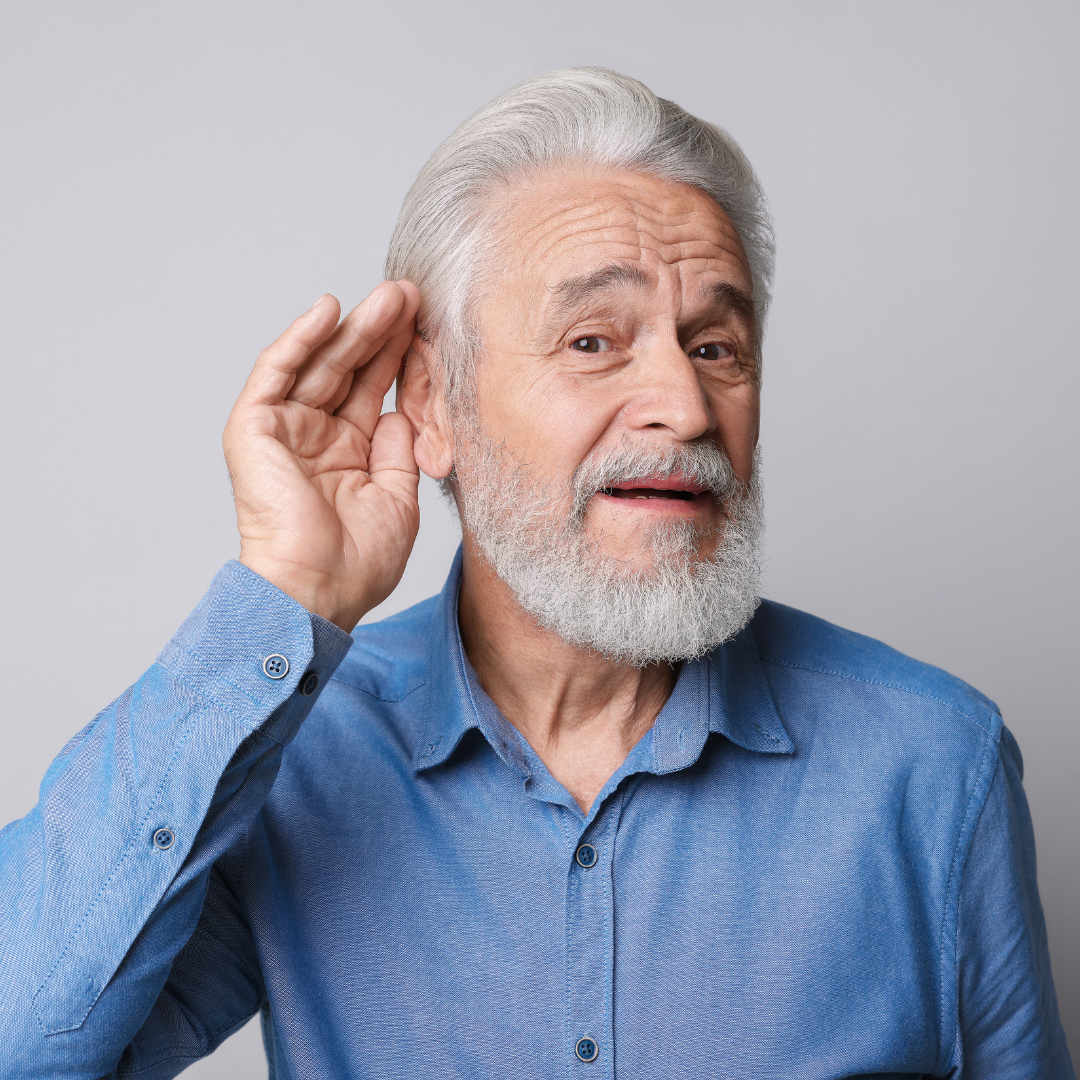
A rapid drop in hearing in one ear can cause immediate fear and leave patients confused regarding the appropriate next steps. We deliver urgent diagnostic hearing tests and partner with otolaryngologists to ensure comprehensive medical intervention when hearing drops rapidly. Any sudden hearing loss requires urgent clinical consultation with a hearing healthcare specialist to pursue immediate medical intervention or rehabilitation.
Is Sudden Deafness in One Ear Considered a Medical Emergency?
Yes, it is. A sudden hearing loss affecting one ear must be addressed as a true medical emergency, especially if it unfolds across hours or several days. Clinically termed sudden sensorineural hearing loss or sudden deafness, this condition originates within the delicate inner ear or cochlear nerve pathways. It generally arises in the absence of pain, causing individuals to mistakenly assume their ear is simply plugged or congested.
Possible signs include:
- A sudden degradation of hearing volume or clarity affecting a single ear
- Struggling to decipher telephone conversation when holding the receiver to the affected ear
- Sensation of an internal ear pop or mounting aural pressure right before hearing diminishes
- New ringing, buzzing, or roaring in the affected ear
- Onset of rotational vertigo, postural instability, or general disequilibrium
Do not wait for hearing to restore on its own. Call our clinic, an urgent care center, or an ear, nose, and throat doctor right away for same-day clinical guidance.
Why Rapid Clinical Intervention Matters for Sudden Unilateral Hearing Loss
Rapid diagnostic assessment matters tremendously because medical management of sudden sensorineural hearing loss is most effective during the initial window. Our immediate task involves verifying whether the impairment is conductive due to wax or middle-ear effusion, or sensorineural originating within the sensory organ or auditory nerve. Even though conductive blockages and neural losses present with similar symptoms, they demand radically distinct medical protocols.
Otoscopic examination and full-battery diagnostic hearing testing determine the specific classification, audiogram pattern, and severity of the hearing loss.
Go to an emergency medical facility immediately if sudden hearing loss presents in conjunction with:
- Acute facial asymmetry, motor weakness, or cranial nerve numbness
- Dysarthria (slurred speech), acute cognitive confusion, or an atypical, severe headache
- Bilateral double vision, syncopal collapse, or an inability to maintain normal walking gait
- Sharp chest discomfort or related symptoms of acute cardiovascular distress
Such clinical signs strongly suggest an acute stroke, neurological event, or vascular emergency that must bypass routine clinical scheduling.
Understanding the Underlying Causes of Sudden Unilateral Deafness
In approximately ninety percent of sudden sensorineural hearing loss presentations, no single definitive cause is ever confirmed. When diagnostic testing isolates a specific trigger, it generally involves cochlear inflammation, physical trauma, compromised vascular perfusion, autoimmune dysfunction, or neural pathology.
Common clinical factors include:
- Viral or bacterial infections
- Concussive physical head trauma or sudden high-decibel acoustic trauma
- Systemic autoimmune pathologies targeting the auditory labyrinth
- Pharmacological ototoxicity resulting from specific clinical medications
- Vascular disruptions, arterial thrombosis, or reduced labyrinthine blood flow
- Peripheral inner ear pathologies such as classic Ménière’s disease
- Central nervous system conditions, such as progressive multiple sclerosis
- An acoustic neuroma or vestibular schwannoma resting on the eighth cranial nerve
Since presenting signs do not confirm the specific etiology on their own, obtaining a prompt examination and diagnostic audiologic testing is essential.
Treating Sudden Sensorineural Hearing Loss: Corticosteroids and Advanced Care
Systemic or topical corticosteroids represent the standard clinical intervention for idiopathic sudden sensorineural hearing loss. These medications may be prescribed orally or delivered through intratympanic injections across the tympanic membrane to access inner ear fluids directly. We establish personalized treatment regimens by evaluating the chronological window, decibel severity of the impairment, systemic health conditions, and drug contraindications.
Steroids are typically administered within the first two weeks of onset, making it critical to begin medication as early as medically appropriate. Targeted intratympanic steroid injections are often indicated as salvage therapy when oral regimens fail to provide full auditory restoration. In specific clinical presentations, the otolaryngologist may recommend combining hyperbaric oxygen therapy alongside standard steroid regimens.
Can Sudden Hearing Loss in One Ear Go Away on Its Own?
Certain instances of sudden sensorineural hearing loss do demonstrate spontaneous improvement without therapeutic intervention. Epidemiological data suggests that approximately 50 percent of diagnosed patients recover partial or complete auditory sensitivity spontaneously, typically within the first fourteen days. Nevertheless, clinicians have no definitive diagnostic method to predict at onset who will recover, what degree of hearing will return, or whether gains will prove permanent.
Hoping for spontaneous recovery does not justify waiting or postponing clinical intervention. Medical interventions become markedly less effective at reversing permanent deficits when delayed by weeks, closing a critical therapeutic window. Overall auditory recovery can range from full restoration and partial improvement to negligible recovery.
Managing Unresponsive Sudden Hearing Loss: Next Steps
If auditory recovery is incomplete following treatment, clinical planning depends on remaining hearing levels, single-ear speech understanding, and comprehensive diagnostic imaging. Diagnostic protocols may involve scheduling a cranial MRI scan or performing an auditory brainstem response test to inspect the auditory nerve and brainstem pathways.
Long-term audiological rehabilitation options include:
- Fitting a conventional prescription hearing aid if the affected ear retains sufficient residual hearing
- Utilizing a CROS hearing aid system designed to stream acoustic signals from the impaired ear to the normal-hearing ear
- Surgical or adhesive bone-conduction systems designed for qualifying clinical candidates
- Clinical cochlear implantation for candidates meeting criteria for profound unilateral deafness
- Dedicated assistive listening technology engineered for challenging workplace, classroom, or group conversations
Engaging in audiologic rehabilitation can alleviate severe listening fatigue, train sound localization, and resolve ongoing communication challenges. The optimal clinical choice is guided by diagnostic hearing test findings, individual acoustic environments, medical background, and personal lifestyle objectives.
Contact Us for an Urgent Hearing Assessment
If your hearing changed suddenly today or during the past several days, request same-day medical direction rather than waiting for a routine consultation. Our clinical team will administer diagnostic hearing tests, analyze interaural differences, evaluate symptom onset chronology, and coordinate with an otolaryngologist or medical team immediately.
Contact our clinic without delay to request a prompt hearing evaluation.
