With age, we often become more vigilant about our well-being, going to regular medical appointments, keeping an eye on our vital signs, and having regular assessments to stay on top of our physical wellness. But one essential area often gets neglected: our hearing!
Many people are unaware of the prevalence of hearing loss, which frequently develops gradually, specifically as individuals reach the age of 50 and older. The good news? Routine hearing tests are fast, painless, and can make a huge difference in your overall well being and quality of life!
Hearing loss: a common (and often silent) problem
Hearing loss doesn’t always look like turning the volume all the way up or asking people to repeat themselves. At the outset, the signs might be faint, materializing as difficulties following conversations, especially in loud environments, or a growing feeling that people are talking illegibly.
Approximately one-third of individuals aged 65 and older cope with hearing loss, while nearly 28% of those over 52 encounter difficulties in their everyday activities due to this problem. The main problem derives from the fact that hearing loss tends to advance gradually, leading individuals to frequently underestimate the extent of their impairment until it starts to affect their social connections, job performance, or emotional health.
Why hearing tests after age 50 matter
Exactly like an annual physical or vision assessment, a hearing exam is a proactive way to protect your health. Here’s why they matter:
Identifying issues quickly leads to taking immediate measures
It is easier to deal with hearing loss when detected early. Regular screenings enable audiologists to monitor changes and recommend treatments before the issue advances further.
Hearing health is connected to brain health
Research has uncovered a link between unaddressed hearing loss and an increased probability of experiencing a decline in mental function and developing dementia.
When hearing is jeopardized, the brain uses more effort to make up for the missing information, leading to increased mental exhaustion and a decline in cognitive abilities over time.
Improved communication results in more solid relationships
Hearing loss can lead to frustration, social solitude, and even depression. Struggling to hear or misinterpreting others on a routine basis can have a negative effect on both your personal and professional relationships. Managing hearing issues helps maintain meaningful relationships.
Balance and safety can be impacted by hearing
In addition to assisting in your ability to hear, your ears also support maintaining your balance and spatial orientation. Hearing loss has been connected to an increased risk of falls, especially in older people.
What is a hearing test like?
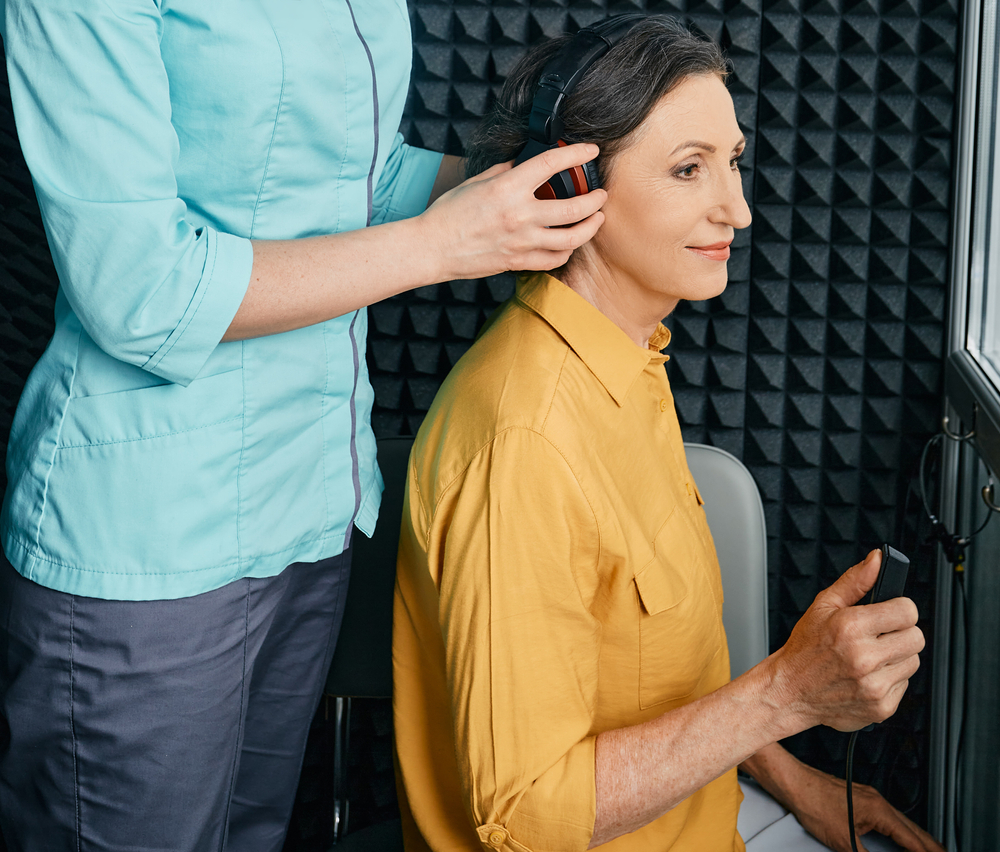
An audiological evaluation is a quick and comfortable process that usually lasts under 60 minutes. You will consult with a hearing specialist who will:
- Share your concerns and symptoms
- Utilize headphones to evaluate your auditory perception of a variety of frequencies
- Perform tests like speech recognition
If hearing loss is identified, you’ll explore potential solutions, including wearing hearing aids, utilizing assistive listening devices, or making changes to your daily habits to improve your overall auditory health.
How frequently should you get a hearing exam?
Hearing specialists advise getting an initial hearing test at 50 years old, then having regular exams every year or every other year, especially if you:
- Discover some amount of hearing decline
- Have a family background linked to hearing problems
- Work or have worked in loud settings
- You are a current hearing aid user
Take control of your hearing health now
How you interact with the world is determined by your ability to hear. Getting routine screenings once you reach the age of 50 can help in maintaining your mental acuity, social relationships, and autonomy. Additionally, scheduling these appointments is a straightforward way to monitor your health.
Not sure where to start? Reach out to us now to schedule a complete hearing test. Hearing specialists are available to help you in maintaining your hearing health and providing support, whether you have noticed any changes or simply seek reassurance.
