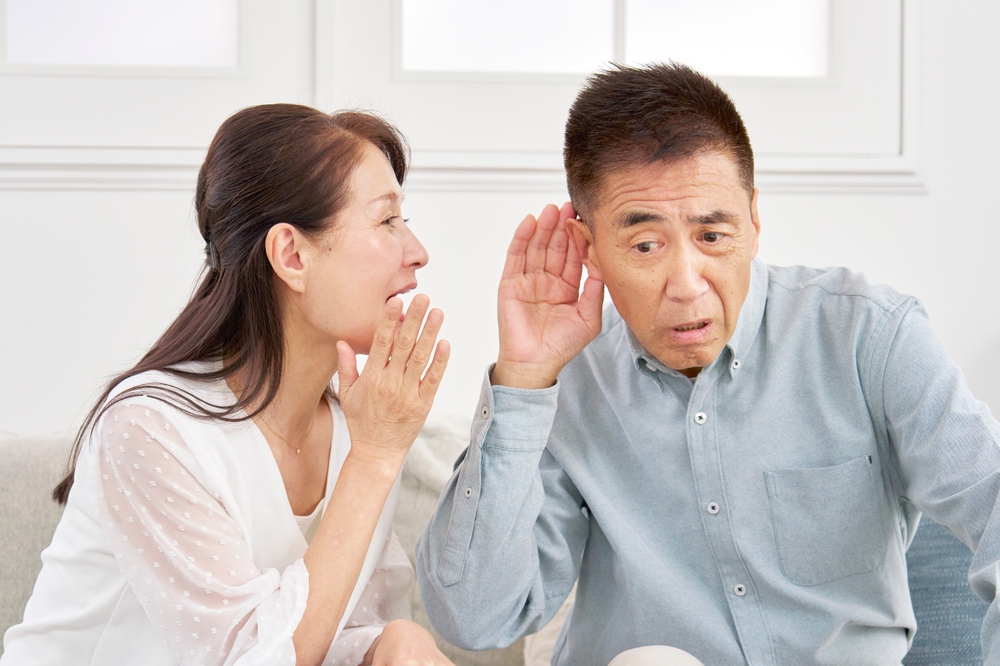
Prevalent myths regarding hearing loss frequently act as a barrier to necessary audiological treatment. Early diagnostic accuracy is essential for anyone experiencing the onset of hearing loss. Accepting hearing myths as fact typically results in late-stage intervention and diminished communicative function.
Identifying the facts behind auditory health allows you to navigate clinical options with technical certainty. Let’s take a closer look at seven hearing loss myths that deserve to be clarified, along with the truths that put them in their place.
Myth One: Auditory Decline is Strictly Age-Related
While age-related hearing changes are common, hearing loss can occur at any age. Auditory challenges in children and young adults often stem from noise pollution, heredity, or pharmaceutical side effects.
Assuming hearing loss is only an “aging issue” can prevent people from recognizing early symptoms and seeking appropriate care.
2. Myth: If I Can Hear, I Don’t Have Hearing Loss
Hearing loss doesn’t have to mean complete deafness. In fact, many people with mild or moderate hearing loss can still hear sounds, but they struggle to understand speech clearly. Audiology recognizes a diverse spectrum of impairment levels that fall short of total deafness.
Signs of decline often involve poor speech-in-noise recognition and significant mental strain after talking with others. These markers represent initial auditory shifts that warrant a professional evaluation.
3. Myth: Hearing Loss Is Simply an Inconvenience
The ramifications of unmanaged hearing loss extend far beyond simple conversational struggles. Research has linked unmanaged hearing loss to social withdrawal, increased stress, cognitive strain, and even a higher risk of depression.
Proactive hearing care is a vital component of maintaining cognitive health and emotional stability.
Myth Four: The Deterioration Fallacy
Some people believe that wearing hearing aids will cause their hearing to deteriorate more quickly, but that is not true.
When fitted correctly, hearing aids are safe tools for auditory rehabilitation. Modern tech calibrates sound output to match the specific “gaps” found in your clinical hearing test. Utilizing amplification prevents auditory deprivation, keeping the brain’s speech-processing centers active.
Modern Hearing Aids: Invisible and Powerful
Recent innovations in hearing science have prioritized both power and miniaturization. Modern hardware has reached a peak of efficiency, offering discrete aesthetics with high-fidelity sound. Numerous models—such as Invisible-in-the-Canal (IIC) devices—remain completely hidden during daily use.
These devices provide high-tech solutions like automatic environment sensing and hands-free calling functionality.
Myth Six: The Fallacy of “Wait and See” for Mild Loss
Even a subtle auditory deficit can significantly increase the cognitive load required for daily conversation. Using hearing help for mild cases reduces the heavy “brain power” usually required to decode speech.
Patients who pursue early help experience a much smoother transition to using hearing technology.
Myth Seven: The Generic vs. Personalized Care Fallacy
While OTC options offer simple volume boosts, they cannot address the unique nuances of your ear health. Only a formal assessment can provide the data needed to create a truly effective and personalized treatment plan.
Individualized care ensures your device feels natural while providing crystal-clear sound quality.
Don’t Let Hearing Loss Myths Hold You Back
Feeling anxious about hearing changes is normal, but avoidance only exacerbates the underlying problem. Accepting myths as truth leads to a longer road to recovery and more significant brain strain. Fortunately, a modern hearing test is a non-invasive, efficient process that yields vital health data.
Taking the first step toward a hearing test is the best way to safeguard your long-term communication. Intervening early is a proven strategy for maintaining a high standard of living through better hearing.
If you want to learn more about your hearing health or schedule a hearing evaluation, our team is here to help! Call us today for a consultation.
