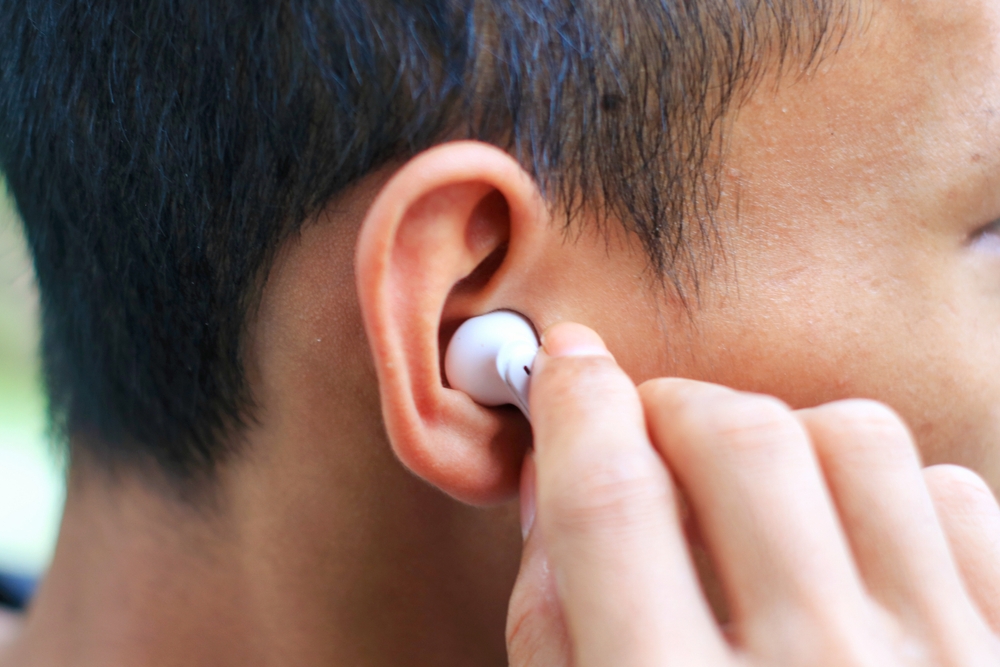
Rarely do we see a young adult in public without an earbud in their ears. Though over-ear headphones are more bulky, the younger demographic still relies on them for environmental isolation. The appreciation for music is a cross-generational trait, yet younger individuals often depend on it for constant background stimulation. So, can headphones cause hearing loss since they are so close to our ears? The danger is not inherent to the technology but is instead a product of specific usage habits.
Too Much of a Good Thing
Listening to music can be relaxing, soothe our souls, or wind us up. This subjective experience is dictated by the specific characteristics of the chosen track. Employing in-ear monitors is an effective method for maintaining acoustic privacy in public environments. Most individuals view this as a positive etiquette, especially within the confined spaces of a bus or train.
The real questions are: how loud is too loud, and how long is too long? In reality, excessive sound pressure is universally hazardous to the delicate structures of the cochlea. Sustained exposure to extreme volumes can result in irreversible trauma to the auditory nerve. Because auditory decline is often a slow, cumulative process, the damage is frequently advanced before symptoms are noticed.
Why Earbuds Pose a Unique Threat to Hearing Health
Sound pressure level is the primary variable in the development of **NIHL**. Yet, we must remember that the length of time spent listening is equally important as the decibel level.
- According to the NIH, maintaining a threshold below 70 dB ensures safety, even during extended listening periods.
- There is a direct correlation between increased sound pressure and the speed of hearing degradation.
- Follow the 60/60 rule. Keep the volume under 60%, and avoid using them longer than 60 minutes at a time.
- Ensuring long-term hearing health requires a proactive reduction in volume and strict limits on listening time.
Warning Signs of Hearing Loss
If you commonly hear muffled sounds, find it difficult to understand conversations in noisy places, have ringing in your ears (tinnitus), and frequently ask people to repeat what they said or to speak louder, it’s time to have a hearing exam with a professional.
Contact our office today if you suspect you may have hearing loss.
