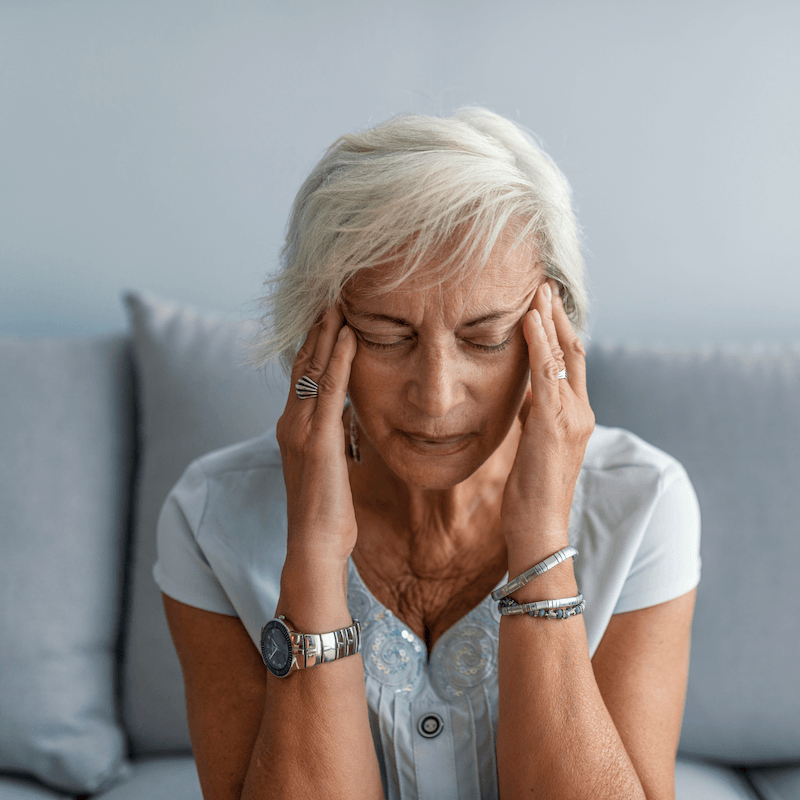
Migraines don’t always present as severe headaches; in fact, a vestibular migraine mainly affects balance, motion perception, and spatial orientation. Our clinical team conducts comprehensive evaluations for chronic dizziness to establish whether vestibular migraine or another balance condition is present. Navigating targeted migraine treatment begins with recognizing subtle clinical signs and communicating them clearly to your specialist.
Vestibular vs. Classical Migraine: Key Differences
Vestibular migraine and regular migraine share identical disease mechanisms, but their most prominent physical symptoms vary significantly. A typical migraine attack often centers on moderate to severe head pain that may be one-sided, pulsating, and aggravated by normal activity. This cephalalgia is often accompanied by gastrointestinal nausea, photophobia (light sensitivity), phonophobia (sound sensitivity), and visual aura.
Vestibular migraine primarily causes vertigo, dizziness, imbalance, or sensitivity to motion. Although cephalalgia can develop, head pain is not a mandatory feature during every vestibular migraine attack. Episodes routinely cause a false perception of self-motion or room spinning, dynamic head-movement dizziness, and visual sensory overload.
Standard clinical diagnostic guidelines define vestibular episodes as lasting anywhere from five minutes up to 72 hours. The variability of symptoms from one flare-up to another makes identifying a migraine link less straightforward than tracking head pain.
What Factors Cause Vestibular Migraine Episodes?
A solitary physiological defect has not been proven to cause vestibular migraine on its own. The disorder likely develops from overlapping neurochemical pathways handling both trigeminal pain and inner ear balance signals. Genetic predisposition to migraines combined with a documented history of motion sensitivity markedly heightens susceptibility.
Clinical episodes are frequently provoked by:
- Inadequate sleep duration or irregular circadian rhythms
- Irregular nutritional intake, skipped meals, and dehydration
- Mental or physical stress, as well as rapid decompression after stressful events
- Menstrual fluctuations and other significant reproductive endocrine shifts
- Visually complex settings, flickering light sources, and intense illumination
- Extended vehicle travel, dynamic physical movement, or fast smartphone screen scrolling
- Alcohol intake, fermented foods, cured meats, or idiosyncratic dietary sensitivities
- Ambient weather shifts, storm fronts, or crowded environments causing sensory overload
Symptomatic Comparison Between Vestibular and Standard Migraines
While standard migraine episodes are widely identified by severe headache, systemic symptoms reach far beyond cephalalgia. Clinical presentations frequently feature nausea, vomiting, visual aura, physical exhaustion, mental clouding, neck pain, and sensory hypersensitivity.
Documented manifestations of vestibular migraine include:
- Sensations of rotational spinning or non-spinning spatial disorientation
- Persistent postural unsteadiness, gait instability, or loss of balance
- Cervicogenic or vestibular dizziness exacerbated by head motion
- Gastrointestinal nausea provoked by physical movement or riding in vehicles
- Visual motion hypersensitivity when viewing digital displays, high-density crowds, or repetitive wallpaper
- Phantom perceptions of physical tilting, floating through space, rhythmic rocking, or being pulled sideways
- Heightened photophobia, phonophobia, or generalized visual sensitivity
- Dull cranial pressure, tight band-like sensations, or pulsating migraine headache
- Transient aural fullness, ear pressure, or acute tinnitus
Analyzing episode frequency, duration, and precipitating factors helps differentiate vestibular migraine from competing inner ear pathologies. Sudden dizziness combined with focal weakness, localized numbness, slurred speech, double vision, loss of consciousness, or gait failure necessitates emergency care.
Can You Experience Vertigo and Head Pain During the Same Migraine?
Yes, clinical overlap is common. Vertigo and classical migraine headaches frequently coincide during the same physiological episode. Dizziness might manifest as a premonitory symptom before head pain, peak while the headache is active, endure following pain resolution, or strike alone. Many individuals alternate between headache-dominant and balance-dominant presentations over months or decades.
An episode of vertigo does not have to feature head pain to be classified within the migraine spectrum. Maintaining a dedicated symptom journal helps track chronological correlations that are easily overlooked during clinical consultations. Be sure to log the onset and duration of dizziness, headache severity, sensory changes, menses, sleep quality, dietary intake, identified triggers, medications taken, and treatment responses. Providing this detailed history ensures that your audiological and ENT assessment remains highly accurate.
How Physicians Evaluate and Confirm Vestibular Migraine
A definitive diagnosis cannot be established through a single blood draw, MRI scan, or individual vestibular balance test. Diagnostic evaluation initiates with a structured examination of symptom chronology and a confirmed history of migraine with or without aura. Accepted diagnostic standards mandate documenting at least five moderate to severe vestibular attacks of five minutes to 72 hours duration, with migraine features accompanying at least half.
We execute an exhaustive diagnostic series involving neurological testing, videonystagmography, direct ear examination, hearing testing, and balance assessments. According to your symptom history, our providers may administer a diagnostic audiogram, positional maneuvers, vestibular diagnostic tests, or brain imaging. These tests help identify or rule out conditions that can cause similar dizziness. A formal diagnosis of vestibular migraine is established only when clinical criteria are satisfied and no alternative condition provides a better explanation.
Clinical Management and Treatment Options for Vestibular Migraines
Care plans are individualized to match your specific attack frequency, symptom severity, comorbid headaches, general medical background, and medication tolerances. Clinical success typically relies on combining consistent daily prophylactic measures with an emergency protocol for managing acute vestibular episodes.
Our practice designs a comprehensive treatment strategy that may incorporate:
- Implementing disciplined daily habits including consistent sleep schedules, regular nutrition, hydration, and exercise
- Systematically tracking, identifying, and reducing exposure to personal migraine triggers
- Implementing evidence-based stress-reduction protocols, biofeedback, or behavioral therapies
- Prescribing targeted rescue medications for acute nausea, motion sickness, and related distress
- Conservative, short-term application of prescription vestibular suppressants for acute episodes
- Preventive pharmacological agents like beta-blockers, calcium channel blockers, topiramate, targeted antidepressants, or modern migraine therapies
- Prescribed vestibular rehabilitation protocols to alleviate ongoing unsteadiness and motion-induced dizziness
Clinicians recommend using vestibular suppressants sparingly because chronic usage causes fatigue and prevents the central nervous system from adapting to balance signals. Therapeutic pharmaceutical regimens must be determined in consultation with our medical providers rather than copying another patient’s regimen. Improvement may require gradual dose adjustments and tracking symptoms over time.
Book Your Vestibular Migraine Consultation
If chronic vertigo, motion intolerance, or balance instability is impacting your quality of life, arrange an evaluation with our ENT practice. Your comprehensive consultation entails a thorough evaluation of migraine history, medical background, and individual goals, using targeted diagnostics to isolate vestibular migraine from BPPV, Ménière’s disease, or other vestibular etiologies. Contact us to request a vestibular migraine appointment.
